
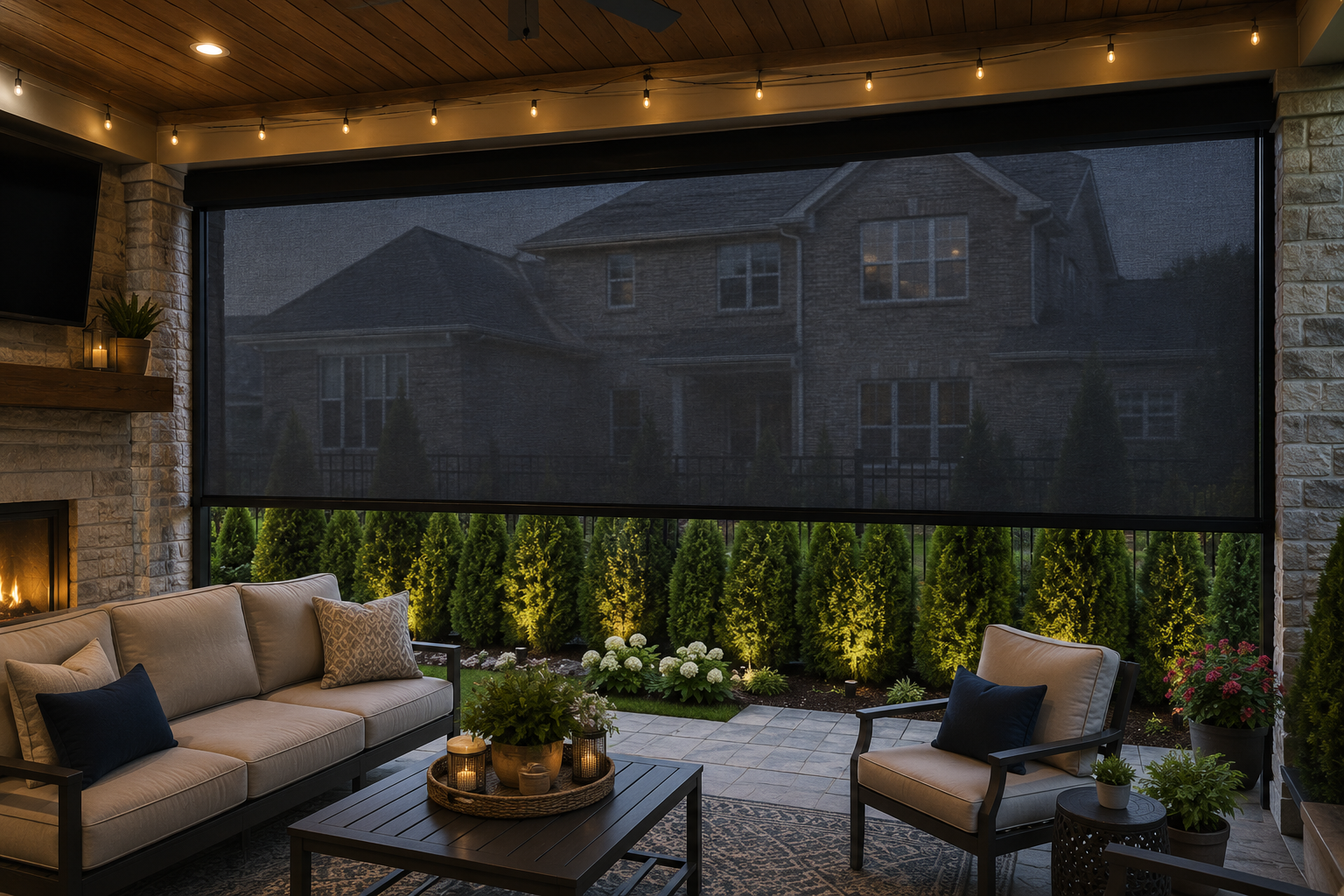
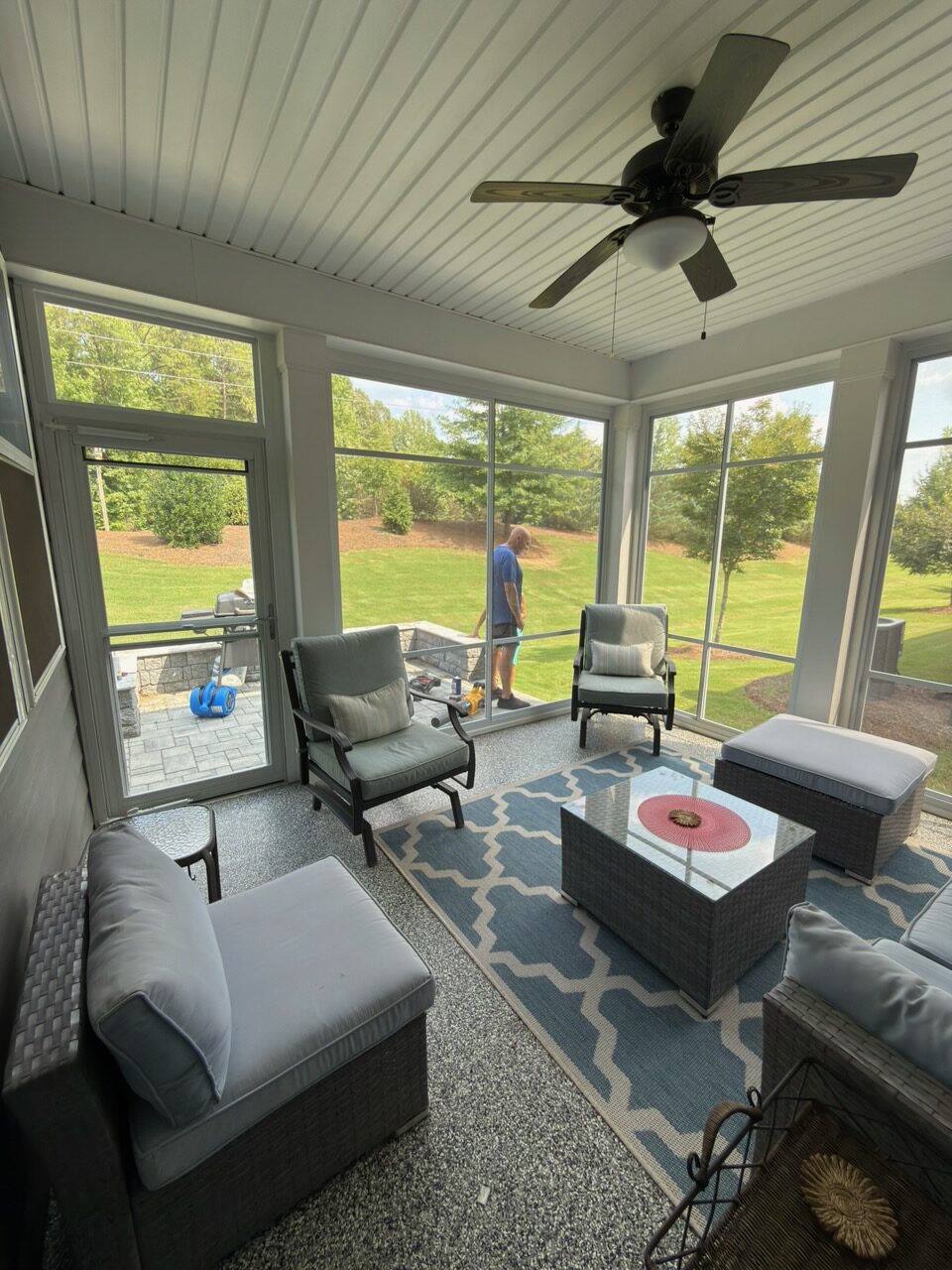
As the kids head back to school and the scorching heat of the summer begins to give way to fall breezes, many homeowners are considering ways to fall in love with their home this fall. That has many asking whether they should build a screened porch, a three-season, or a four-season sunroom to enjoy more time outside.
Although most outdoor spaces can look similar in photos, they offer very different levels of protection and comfort. Choosing the most expensive option isn’t always the best option. The right choice really comes down to asking yourself a simple question:
How do you want to use the space?
If you’re trying to decide which type of outdoor living area makes the most sense for your North or South Carolina home, there are certain things you need to know and consider.
The Quick Answer
If your biggest problem is bugs, then you can start by considering a screened porch.
If you want protection from bugs, rain, pollen, wind, and changing temperatures, a three-season sunroom might be a better choice.
However, if you want a space that feels like an extension of your indoor areas and can be heated and cooled to use year-round, then a four-season sunroom might be the answer.
But there are other differences worth considering before you make the choice.
What Is a Screened Porch?
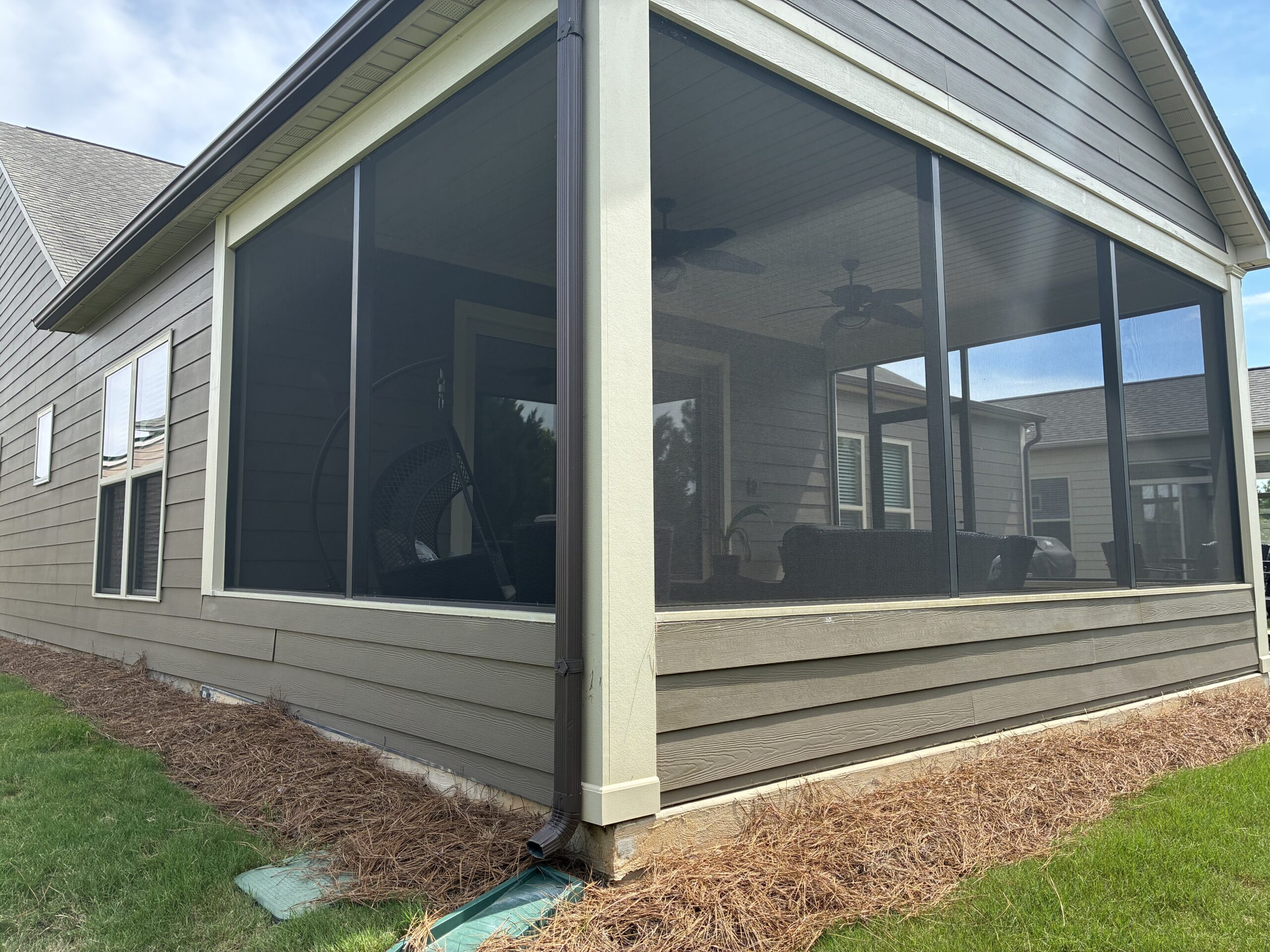
It might seem like a stupid question to ask. Although we all assume we know what a screened porch is, that doesn’t mean we do. A screened porch gives you the feeling of being outdoors without leaving you completely exposed to outdoor elements.
Instead of glass windows, the openings are primarily protected by screens. A screened porch gives you fresh air breezes and the experience of being in the great outdoors without some of the things that aren’t so great.
For homeowners in the Carolinas, that alone can completely alter how often they use their porch. No longer would you have to run for shelter as the sun goes down. You can sit comfortably without swatting away mosquitoes all evening.
A Screened Porch May Be Right for You If:
- You love the feeling of being outdoors
- Bugs are your biggest complaint about your existing porch or deck
- You’re primarily going to use the space during comfortable times of the year
- You want shade and protection from the sun
- You want an outdoor space for entertaining, relaxing, and watching a game
- It is okay if there isn’t heating and cooling; you enjoy the variation of temperature
A screened porch is still very much an outdoor living space.
What Is a 3-Season Sunroom?
A 3-season sunroom is something that is in between a screened porch and a fully conditioned four-season sunroom.
It’s often a great choice for homeowners looking to get the advantages of a screened porch with a little more protection against the great outdoors.
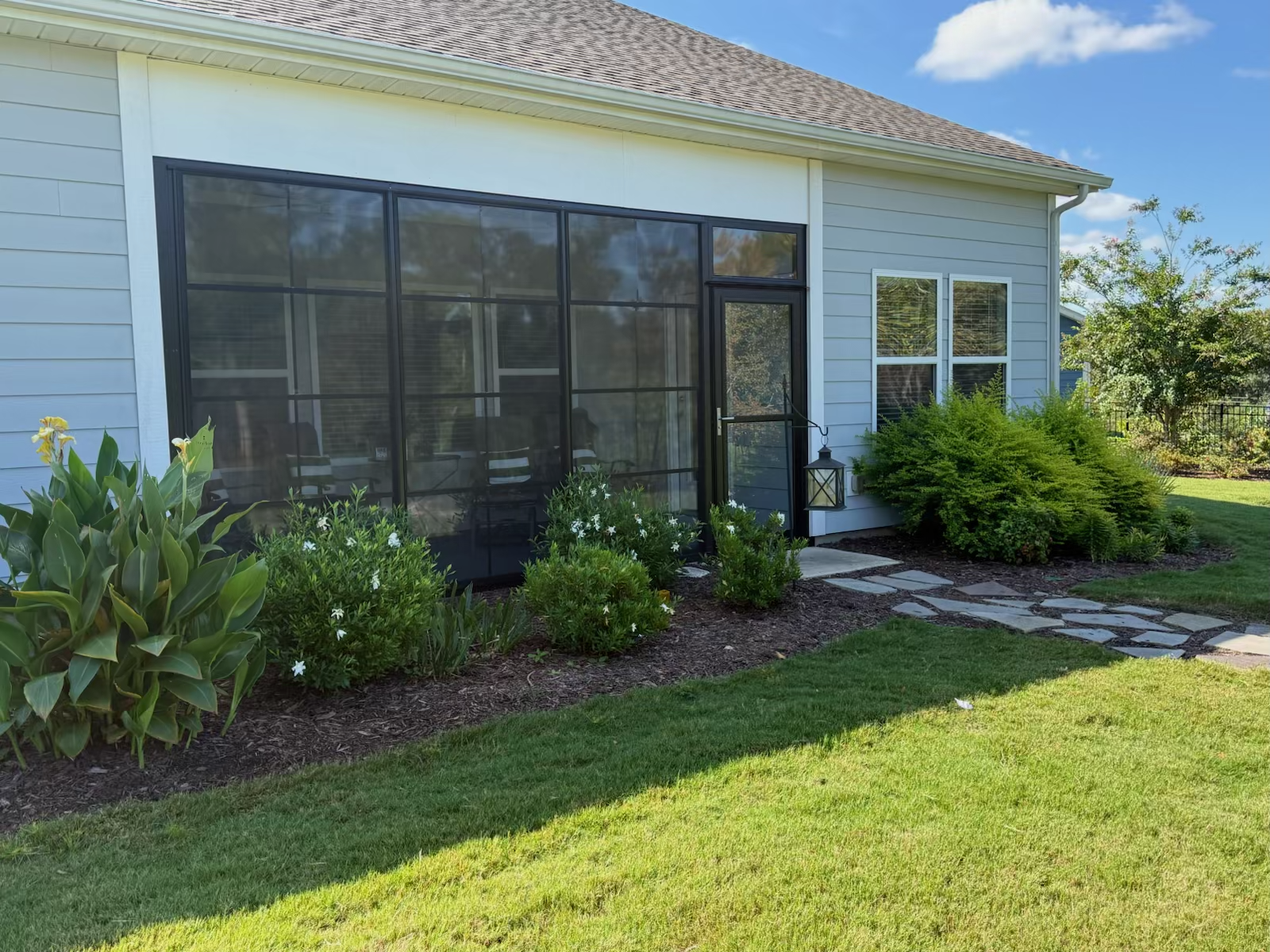
Depending on the enclosure system, a three-season room can incorporate screens along with windows or removable or adjustable panels, meaning you get more control over the conditions of the room.
You can enjoy a beautiful fall afternoon even when it rains, the pollen hits, or the cooler weather moves into the area. There is just an added level of protection that you don’t get with a screened porch.
A Three-Season Room May Be Right for You If:
- You want to extend how many months you can comfortably use your porch
- You want protection from insects and bad weather
- Pollen is a major issue for you
- You want the option to open the room fully when weather permits
- You aren’t necessarily looking to heat and cool the space
- You’re looking for something in between a traditional screened porch and a four-season sunroom
For many homeowners in North and South Carolina, a three-season room provides the perfect happy medium. It feels like you are outdoors, but you don’t have to live through the uncomfortableness of being outside.
What Is a Four-Season Sunroom?
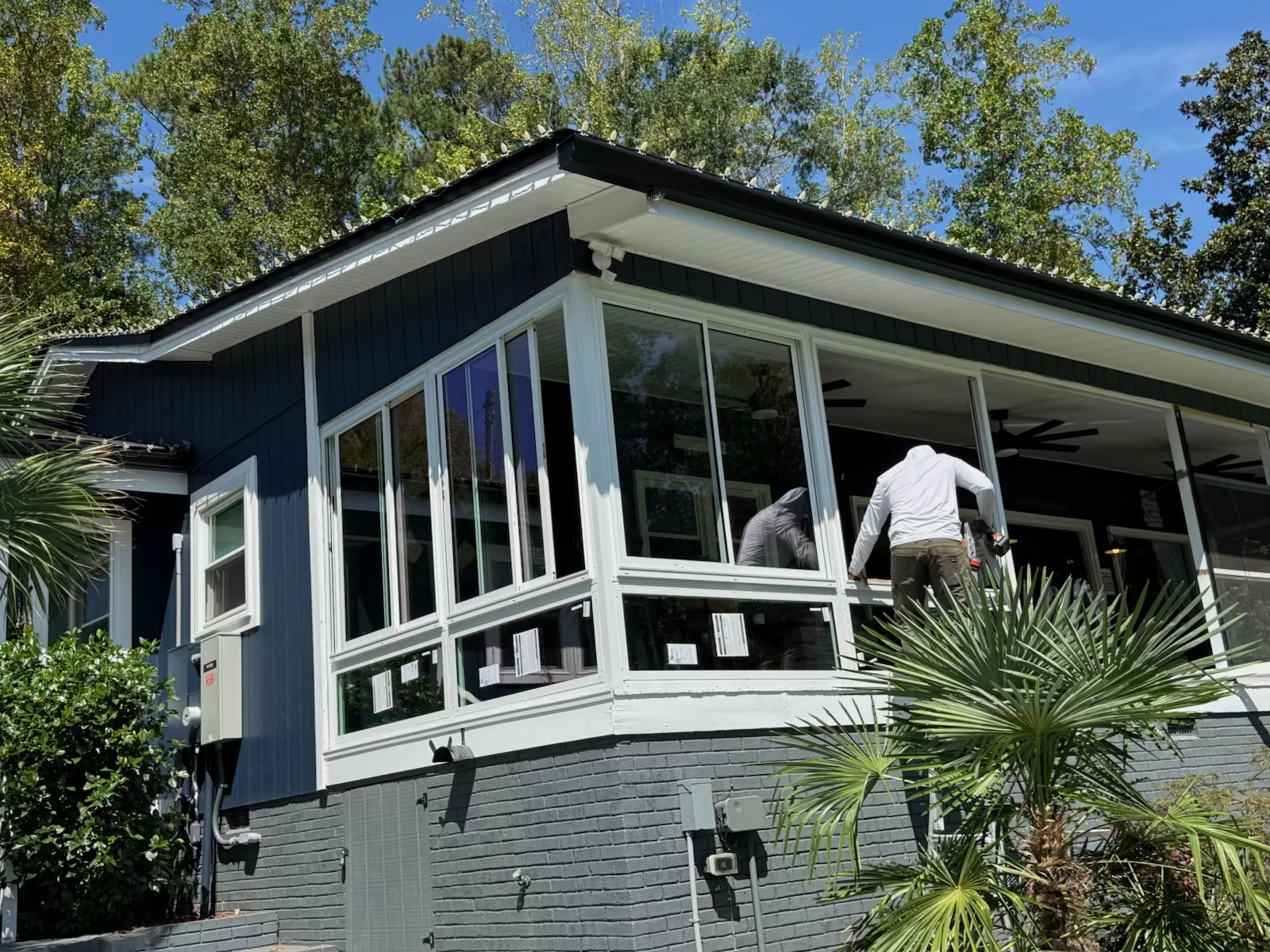
A four-season sunroom is designed to function much more like an extension of your home’s interior living space. Instead of screens or lighter enclosure systems, a four-season room typically taps into your existing heating and cooling and uses windows.
A four-season room allows you to extend your time outdoors year-round. It also offers a functional space that you can use and increases your home’s value.
A properly designed four-season sunroom gives you views and natural light but also shields you from all of the things that aren’t so great about being outdoors.
A Four-Season Sunroom May Be Right for You if You Want:
- To use the room throughout the entire year
- Heating and cooling
- Additional usable and functional living space
- Large areas of natural light
- An escape from extreme heat, cold, rain, pollen, and insects
- The space to feel more like an extension of your interior living spaces
Four-season rooms generally require more construction and a larger investment than screened porches or three-season rooms. They do, however, provide an entirely different type of feel and space.
What’s the Biggest Difference?
The easiest way to think about the three options is the amount of separation they provide between you and the outdoors.
- Screened Porch – you’re essentially outside, but with a roof and screens surrounding you.
- Three-Season Room – You’re still closely connected to the outdoors, but you have considerably more control over the environment.
- Four-Season Sunroom – You’re essentially inside your home while still enjoying outdoor views and breezes.
None of them is better than the others; it is all about what you intend to use the space for. They are all designed to tackle different problems.
What About the Carolina Heat?
The heat in the Carolinas is a huge and undeniable factor.
Older sunrooms developed a reputation for being nothing more than a greenhouse. Modern sunrooms, however, are different.
Today’s four-season sunrooms can use insulated glass and more energy-efficient construction methods to help control heat transfer.
A screened porch handles heat differently because air moves naturally through the screens.
A 3-season sunroom falls somewhere in between, depending on the enclosure system and how much of the room can be opened.
In the end, your home’s orientation, shade, roof design, glass selection, ventilation, and other factors can all affect how comfortable the finished space feels.
What About Pollen?
If you live in North and South Carolina, you are no stranger to pollen. You also know the problems it creates. A screened porch might not completely solve the pollen problem because it can still move through the screens.
A 3-season sunroom enclosure can offer more protection with panels or windows.
A four-season room provides the greatest degree of separation from outdoor pollen because it is an entirely closed system. Therefore, if pollen is the main reason you’re tired of your existing porch, make sure you mention that when you plan your outdoor living space.
Which One Is Best for Entertaining?
All three options are great for entertaining and building memories. The difference really is when you want to entertain. If you’re picturing cookouts, fall football games, and evenings outside, then a screened porch may be enough to give you the time you need.
If you are looking to extend your time outdoors into the colder weather, then a three-season room will give you a little extra time outside.
However, if you want to have your holiday gatherings outdoors, then a four-season sunroom might be the only thing to suffice. That is why it is best to ask yourself what you want from the space you build and be honest.
Which Option Costs the Most?
Generally, the more a room needs to function like an interior space, the more cost there is involved.
A screened porch typically requires fewer components than a fully insulated four-season room. A three-season room falls somewhere in between the two, but the reality is you should never make your decision based on cost alone.
The size of the project, existing foundation, roof structure, materials, electrical work, site conditions, permits, and whether you are starting with an existing deck or patio can all affect the total cost. For that reason, two rooms that are the same size can have very different costs.
Can I Convert My Existing Deck or Porch?
Possibly.
An existing deck or porch can sometimes provide a reasonable starting point for any of the three projects. However, the existing structure needs to be evaluated before adding walls, a roof, glass, or other additional loads.
The foundation, footings, framing, connections, and overall condition matter. A deck that works perfectly well as a deck isn’t automatically set up for more structural load. The good news is that most existing structures don’t have to be completely removed. Depending on the condition of the structure, you may or may not be able to use it for a new space.
Ask Yourself These Five Questions
Still unsure?
Ask yourself these questions.
- Do I want fresh air or climate control?
- How many months a year do I want to use the space?
- What bothers me most about my current outdoor space?
- What will I actually do in the room?
- What’s my budget?
There’s No Universal “Best” Choice
The best things in life don’t always come at the greatest cost. The best outdoor projects aren’t always the biggest or most expensive. They’re the ones that are well planned and thought out.
Not sure which one is right for you? That’s okay; we can help.
At Express Sunrooms of the Carolinas, we love taking your customer’s projects from start to finish. Our goal is to walk you through the decision-making process by providing you with the answers you need to make an informed choice. We will always offer a cost-effective solution to meet your goals. Contact us today for your free in-home estimate and let’s build the outdoor living area that checks all of your boxes!
