

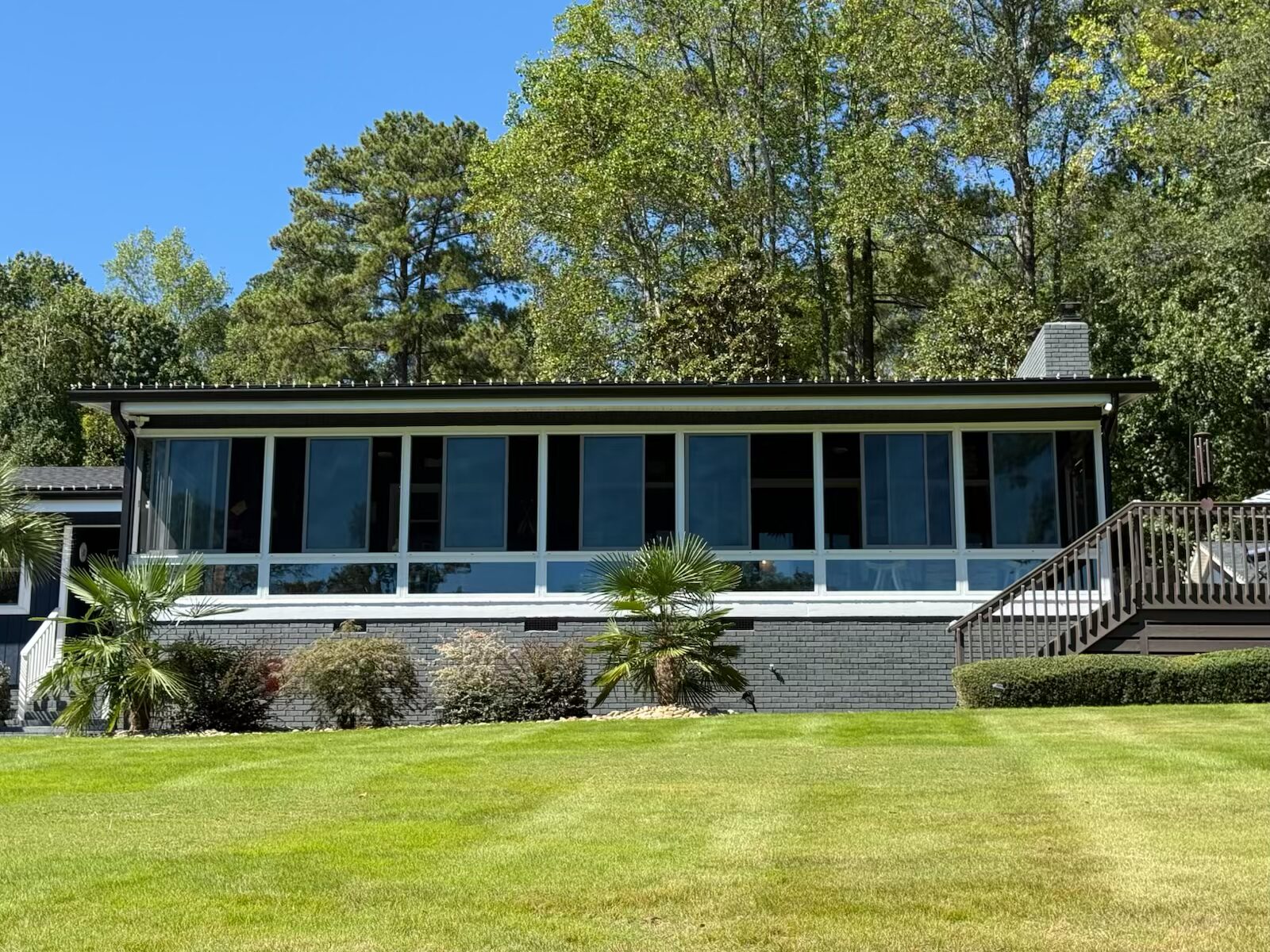
If you are considering building a sunroom in Charlotte, North Carolina, there is a part of the process that seems foreign to many homeowners: the permit process. Most homeowners know that you need a permit and are often surprised that some projects need more than one. So, what’s the good news? Once you understand what’s required and why, the process can be less intimidating, more realistic, and less frustrating. As with any remodel or home addition, ignorance is anything but bliss. Knowing what to expect makes things go much more smoothly!
The Short Answer: Yes, You Will Need Permits for a Sunroom
Although permits might sound like a dirty word, they are a useful tool when you see them for what they are. In Charlotte, adding a sunroom typically counts as a home addition, which means permits are almost always required, regardless of your location within Charlotte. According to Mecklenburg County Code Enforcement, permits are required for any new construction, reconstruction, or alteration to a residential structure (which includes a sunroom). Therefore, even if your sunroom may seem like just a minor project, it affects the structure of your home and puts it squarely in permit territory.
The Most Common Permits Needed for a Sunroom in Charlotte
Permits are required so that municipalities can protect the community and, more importantly, the homeowner. Although every project requires different rules and regulations, most sunrooms will need the following permits before construction can begin.
Building Permit (The Big One)
The main permit for a sunroom is the official building permit. A building permit allows you to legally construct the physical structure of your sunroom and covers the foundation work, framing, roofing, structural changes, and walls and windows. Because a sunroom increases the square footage of your home, it falls under residential construction rules. In Charlotte and Mecklenburg County, you need building permits for residential additions and structural work. They often include a plan review before construction can begin.
What Do I Need to Submit for a Sunroom Permit?
Although each municipality differs, you will typically need to submit:
- Construction drawings
- Site plan showing the location on your property
- Structural details
- Contractor information
- Permit application forms
If you are working with a contractor, they will typically handle this complex step for you.
Zoning Permit (Making Sure It’s in the Right Place)
Before a homeowner can build anything, the city needs to confirm that a sunroom will sit in an approved location on your property. The zoning permit approves the site location of a structure according to variance lines, property lines, and easement lines. Charlotte requires zoning review for residential additions to ensure compliance with:
- Property setbacks
- Lot coverage limits
- Height restrictions
- Neighborhood zoning rules
Projects such as home additions, decks, and other structural expansions often require concurrent zoning review along with the building permit process. If your sunroom is too close to a property line or exceeds zoning limits, the project may need revisions before it can be approved. The municipality might also require a survey to clearly define boundaries.
Electrical Permit (If You Want Lights, Outlets, or Fans)
Most homeowners want a sunroom that has lighting and ceiling fans at a minimum. When electrical work is involved, you need an electrical permit. An electrical permit applies to installing outlets, adding ceiling fans, installing lighting, and running new electrical circuits. Electrical permits are issued separately from building permits because they involve specialized safety inspections. Charlotte requires permits for the installation, extension, or modification of electrical systems as part of residential construction permits.
Mechanical (HVAC) Permit (For Heated or Cooled Sunrooms)
For homeowners who want to build a 4-season temperature-controlled addition, a mechanical permit is a must. Mechanical permits cover installing heating systems, adding air conditioning, extending HVAC ductwork, and installing mini-split systems. If you opt to add climate control, a mechanical permit will ensure that the heating and cooling system is installed correctly.
Plumbing Permit (If Plumbing is Included)
Not every sunroom requires plumbing, but if your design includes water of any type, then this permit might apply. A plumbing permit includes things like a sink, a wet bar, a bathroom, or water lines. Just like electrical and mechanical permits, plumbing permits are separate because they involve specific code requirements and inspections.
Land Development or LDIRL Permit (Occasionally Required)
Some properties in Charlotte require that residential additions have a Land Development Individual Residential Lot (LDIRL) review. Although rare, there are some areas in Charlotte that require a LDIRL permit for things such as structural additions, site modifications, and significant exterior changes. Whether you need this type of permit depends heavily on where you reside.
Don’t Forget HOA Approval…
While not technically a government permit, HOA approval is a common requirement for many Charlotte homeowners. If your home is a part of a homeowners’ association, you might need:
- Architectural approval
- Materials selection
- Design plans
- Color approvals
Skipping or ignoring HOA requirements might seem insignificant, but if you fail to play by the rules, it can lead to fines and delaying of the project timeline.
Inspections: The Step Many People Forget
Getting permits is just a part of the process. After you begin construction, your project will have many necessary inspections, which are equally important. The inspector reviews permitted work to ensure it meets building code requirements and to protect the homeowner during construction. Common inspections include:
- Foundation
- Framing
- Electrical
- Insulation
- Final
You should think of inspections as checkpoints to ensure your sunroom is safe and built correctly to protect you and the equity of your home, as well as the safety of your family.
What Documents Do You Need?
While exact requirements vary according to your location and the scope and size of your project, most sunrooms in Charlotte require standard documents like a site plan, building drawings, structural plans, engineering details, energy compliance information, and contractor license details. Professional contractors like Express Sunrooms of the Carolinas prepare these documents as part of the design process.
How Long Does the Permit Process Take?
Permit timelines vary depending on the municipality and the size and complexity of your project. Typically, Charlotte permit timelines are as follows:
- Zoning review – 3-10 business days
- Plan review – 1-3 weeks
- Permit approval – After review completion
Some projects seem to move very quickly, while others can appear to take longer, especially if revisions are necessary. Certain zoning reviews operate on short cycles, often within 3 to 10 business days, depending on the approval requirements.
It’s Just a Small Sunroom, Do I Still Need a Permit?
Yes, most of the time, sunrooms require a permit because they attach to the house, add square footage, and affect the structural integrity of your home. Some minor home projects that cost under a certain amount may not require an official permit, but anything structural and load-bearing almost always does, regardless of the project cost.
What Happens if I Skip Permits?
It might be alluring to think about the time and money you can save from hiring someone who doesn’t pull official permits, but it is a HUGE mistake. Building without official permits can lead to fines or penalties, forced removal of the structure, insurance issues, problems selling your home, and failed inspections after you’ve already paid and finished the building transaction.
Who Handles the Permit?
If your contractor is asking you to handle the permits, be careful. Most professional and reputable services will handle the entire process, including submitting applications, providing drawings, scheduling inspections, and coordinating approvals. If you are acting as your own contractor, contact the proper authority to avoid a huge issue at the end.
Permits Are Part of the Process, Not the Problem
It is easy to view permits in a negative light. They can hold up project timelines, cost you more, delay construction, and cause you to rip out and start again. While the process may seem complicated and a hassle at first, permits exist to ensure your sunroom is safe, properly built, and legally approved. The good news is that if you go with an established and reputable sunroom builder like Express Sunrooms of the Carolinas, you don’t have to worry about any of the logistics; we take care of it all for you. Contact us today to get the process rolling, and so you can enjoy the rest of the beautiful weather ahead.